Fabric Glossary
Your comprehensive guide to understanding suiting fabrics, weave types, patterns, and tailoring terminology
44+
Terms Defined
6
Categories
Expert
Curated Content
Free
Resource
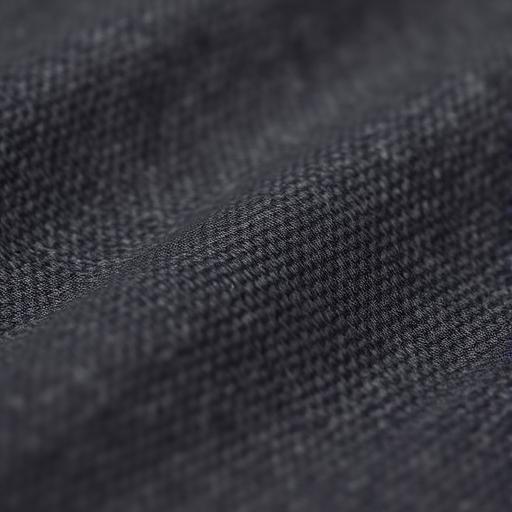
Wool
Natural FibersThe natural fiber obtained from sheep, known for its warmth, durability, and natural wrinkle resistance.
Wool is the most versatile suiting fabric. It breathes well, regulates temperature, and can be woven into various weights for year-round wear. Fine wools are measured in Super numbers (Super 100s, 120s, etc.).
Common Uses:
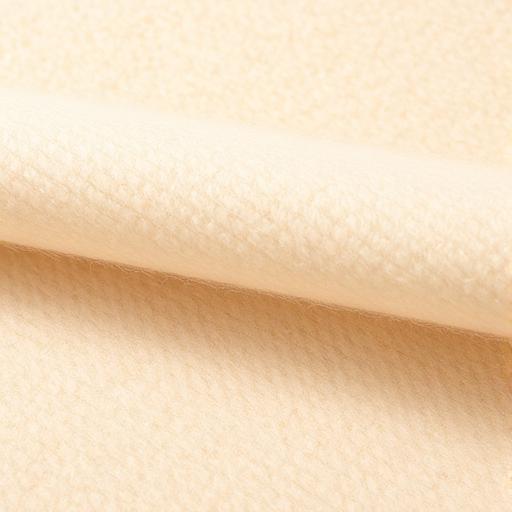
Cashmere
Natural FibersAn ultra-soft, luxurious fiber obtained from cashmere goats, prized for its exceptional warmth and lightweight feel.
Cashmere is eight times warmer than sheep's wool yet significantly lighter. It's often blended with wool for suits to add softness while maintaining structure.
Common Uses:
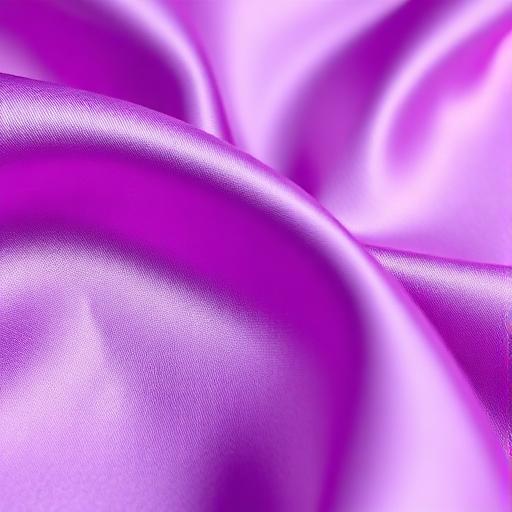
Silk
Natural FibersA natural protein fiber produced by silkworms, known for its lustrous appearance and smooth texture.
Silk adds sheen and drape to fabric blends. Pure silk suits are rare but silk-wool blends are popular for formal and summer wear.
Common Uses:
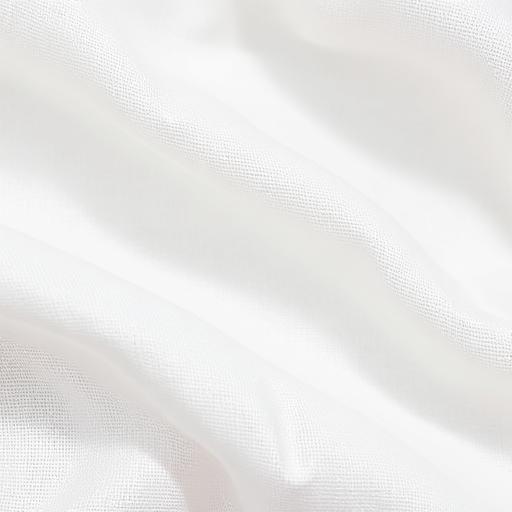
Linen
Natural FibersA natural fiber derived from the flax plant, celebrated for its exceptional breathability and cool hand.
Linen is the quintessential summer fabric. It wrinkles easily but this 'lived-in' look is part of its charm. Often blended with cotton or wool for more structure.
Common Uses:
Cotton
Natural FibersA soft, fluffy staple fiber that grows around the seeds of the cotton plant, known for comfort and breathability.
Cotton is primarily used for shirts but also appears in casual suits, chinos, and summer blazers. Egyptian and Sea Island cotton are the finest varieties.
Common Uses:
Mohair
Natural FibersA silk-like fabric made from the hair of the Angora goat, known for its luster and durability.
Mohair has a distinctive sheen and is highly resilient. It's often blended with wool for tropical suits and formal wear due to its natural brilliance.
Common Uses:
Vicuña
Natural FibersThe rarest and most expensive natural fiber in the world, from the vicuña, a South American camelid.
Vicuña can only be shorn every three years and each animal produces only about 250 grams. It's softer and warmer than any other natural fiber.
Common Uses:
Plain Weave
Weave TypesThe simplest and most common weave, where weft threads pass over and under each warp thread alternately.
Creates a sturdy, balanced fabric with minimal pattern. Poplin and broadcloth shirts use plain weave. In suiting, it creates crisp, structured cloths.
Common Uses:

Twill Weave
Weave TypesA weave with a pattern of diagonal parallel ribs, created by passing weft threads over multiple warp threads.
The diagonal pattern adds texture and drape. Twill fabrics are generally more durable and resistant to creasing. Gabardine and serge are classic twill weaves.
Common Uses:
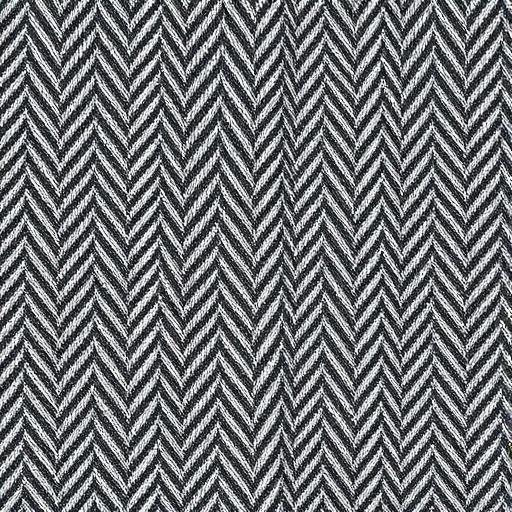
Herringbone
Weave TypesA V-shaped twill weave resembling the skeleton of a herring fish, creating a distinctive zigzag pattern.
Classic herringbone adds visual interest while remaining subtle enough for business wear. It's particularly popular in British tailoring.
Common Uses:
Hopsack
Weave TypesA loose, basket weave that creates a textured, breathable fabric with a distinctive open structure.
The open weave makes hopsack ideal for warm-weather blazers and unstructured jackets. It has a casual, relaxed appearance.
Common Uses:
Satin Weave
Weave TypesA weave where warp threads float over several weft threads, creating a smooth, lustrous surface.
Produces the shiny surface found on formal wear lapels and linings. The smooth surface reflects light beautifully.
Common Uses:
Birdseye
Weave TypesA small, repeated geometric pattern created by a special weave that resembles a bird's eye.
Creates subtle texture that reads as solid from a distance. Very popular in business suits for its understated sophistication.
Common Uses:
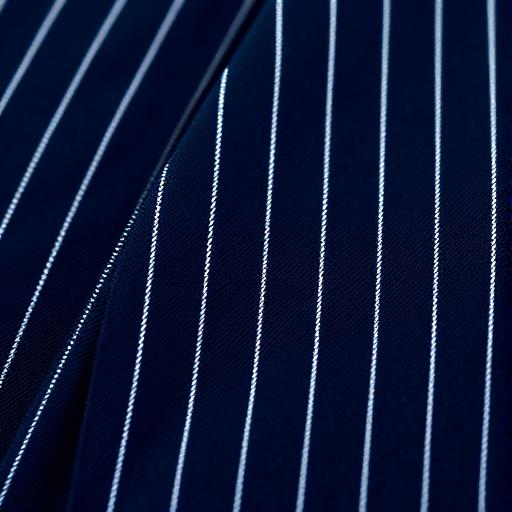
Pinstripe
PatternsVery thin, parallel vertical stripes that are typically white or cream on a dark background.
The classic banker's suit pattern. Creates a lengthening effect and is considered very formal. Stripe width and spacing vary.
Common Uses:
Chalk Stripe
PatternsWider, softer-edged stripes that appear as if drawn with chalk, typically on a dark background.
Less formal than pinstripes and more British in character. Popular in flannel suits and has a slightly vintage appeal.
Common Uses:
Windowpane
PatternsA large check pattern of thin lines forming squares, resembling window panes.
Adds visual interest while remaining relatively subtle. Works well for business casual and smart casual occasions.
Common Uses:
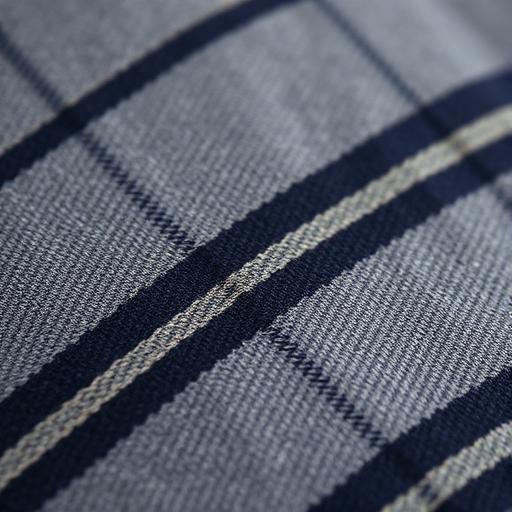
Glen Plaid
PatternsAlso known as Prince of Wales check, a pattern of small and large checks, often with a subtle overcheck.
Named after the Glen Urquhart valley in Scotland. One of the most sophisticated patterns, equally at home in suits or sportcoats.
Common Uses:
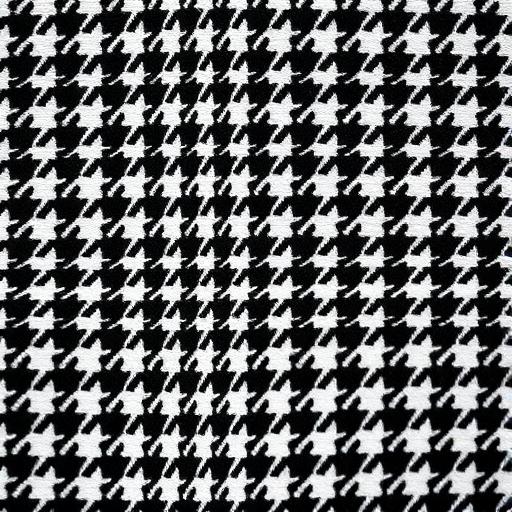
Houndstooth
PatternsA duotone textile pattern of broken checks or abstract four-pointed shapes resembling a dog's tooth.
Ranges from small, subtle patterns to bold, statement-making scales. Larger patterns are more casual; smaller are more versatile.
Common Uses:
Tartan
PatternsA pattern of intersecting horizontal and vertical bands in multiple colors, originally representing Scottish clans.
Each clan has its own registered tartan. In tailoring, muted tartan patterns are used for distinctive, heritage-inspired pieces.
Common Uses:
Nailhead
PatternsA small, dotted pattern that resembles the heads of nails, created by alternating colored threads.
Extremely versatile and reads as almost solid from a distance. Adds subtle texture without being distracting.
Common Uses:
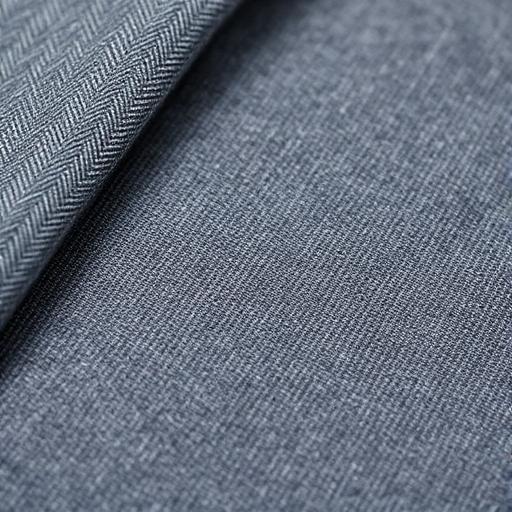
Flannel
Fabric TypesA soft, brushed woolen fabric with a slightly fuzzy surface, traditionally used for autumn and winter suits.
Grey flannel is perhaps the most iconic suiting fabric. The brushed surface adds warmth and a soft, approachable aesthetic.
Common Uses:
Gabardine
Fabric TypesA tightly woven twill fabric with a smooth, flat surface and diagonal ribs, known for durability.
Invented by Thomas Burberry, gabardine is water-resistant and extremely durable. Popular for year-round suiting and overcoats.
Common Uses:
Serge
Fabric TypesA type of twill fabric with diagonal lines on both sides, traditionally used in military uniforms.
Known for its durability and smooth finish. Navy blue serge was the foundation of the first business suits.
Common Uses:
Fresco
Fabric TypesA lightweight, high-twist wool fabric with an open weave, designed for hot weather wear.
The twisted yarns create an airy, breathable structure while maintaining crispness. The gold standard for summer suits.
Common Uses:
Worsted
Fabric TypesYarn or fabric made from long-staple wool fibers that are combed to lie parallel, creating a smooth finish.
Worsted fabrics are smooth, durable, and hold a crease well. Most business suits are made from worsted wool.
Common Uses:
Tweed
Fabric TypesA rough, unfinished woolen fabric with a soft, open texture, traditionally from Scotland or Ireland.
Harris Tweed is protected by law and must be handwoven in the Outer Hebrides. Ideal for country wear and casual sportcoats.
Common Uses:
Doeskin
Fabric TypesA soft, smooth wool fabric with a velvet-like finish, created by brushing and cropping the surface.
Originally made from deer hide, modern doeskin is a luxurious wool fabric. Often used for evening wear waistcoats.
Common Uses:
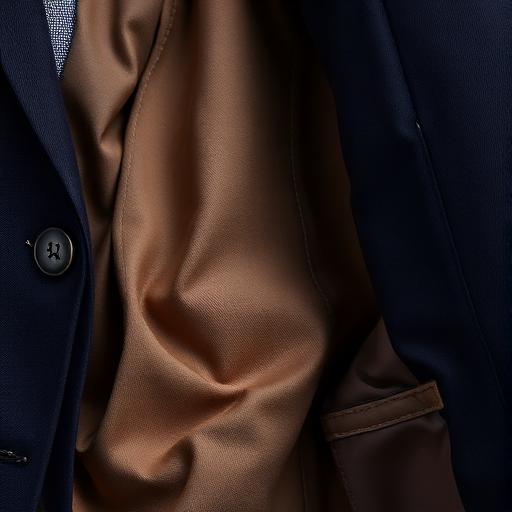
Full Canvas
Tailoring TechniquesA construction method where a canvas interlining runs the full length of the jacket front, providing structure and longevity.
Full canvas jackets mold to your body over time and last longer. The canvas is horsehair or wool, never fused. This is the hallmark of bespoke tailoring.
Common Uses:
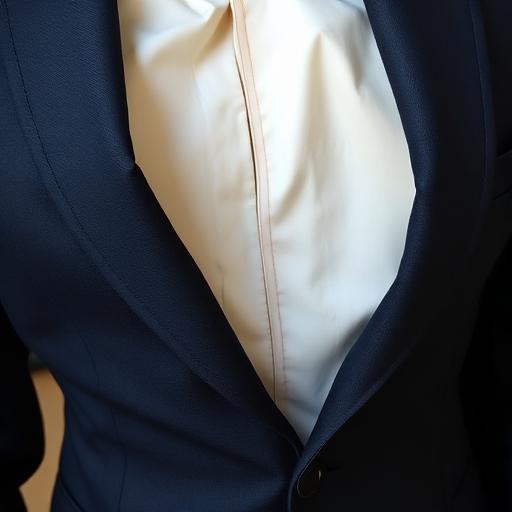
Half Canvas
Tailoring TechniquesA construction method with canvas in the chest and lapel area, with the lower portion fused for a lighter feel.
A good compromise between full canvas quality and cost. Provides structure where it matters most—the chest and lapels—while keeping the jacket lighter.
Common Uses:
Fused Construction
Tailoring TechniquesA construction method using heat-activated adhesive to bond facing fabric to the jacket front.
Less expensive but can bubble or delaminate over time. Not recommended for quality suits but acceptable for budget options or trendy pieces with limited lifespan.
Common Uses:
Floating Chest Piece
Tailoring TechniquesA canvas chest piece that is hand-stitched to the jacket without being attached to the outer fabric.
Allows the canvas to move independently, creating a more natural drape and preventing the jacket from becoming stiff or rigid.
Common Uses:
Hand-Padded Lapels
Tailoring TechniquesLapels shaped by hand-stitching canvas to the fabric with hundreds of tiny stitches in a curved pattern.
Creates the distinctive roll of a bespoke lapel that cannot be replicated by machine. The lapels curve naturally rather than lying flat.
Common Uses:
Spalla Camicia
Tailoring TechniquesItalian for 'shirt shoulder,' a soft, unpadded shoulder construction with a gathered sleevehead.
The signature of Neapolitan tailoring, creating a natural, relaxed silhouette. The slight gather at the shoulder adds character and softness.
Common Uses:
Roped Shoulder
Tailoring TechniquesA shoulder construction where the sleevehead extends slightly beyond the shoulder line, creating a defined rope-like edge.
Classic English tailoring technique that creates a strong, masculine shoulder line. Adds structure and formality to the silhouette.
Common Uses:
Natural Shoulder
Tailoring TechniquesA minimally padded shoulder that follows the natural slope of the wearer's shoulder.
Popular in American and Italian tailoring, creating a softer, more relaxed look than British roped shoulders.
Common Uses:
Soft Construction
Tailoring TechniquesA tailoring approach using minimal internal structure, allowing the fabric to drape naturally.
Removes heavy padding and stiff interlinings for a comfortable, unstructured feel. Popular in contemporary Italian tailoring.
Common Uses:
Pick Stitching
Tailoring TechniquesTiny hand-stitches visible along the edges of lapels, pockets, and other details, also called AMF stitching.
Originally a sign of hand-tailoring, pick stitching adds subtle elegance. Quality varies—hand-done is irregular; machine-done is perfectly uniform.
Common Uses:
Functional Buttonholes
Tailoring TechniquesSleeve buttonholes that actually open and close, allowing the cuff to be unbuttoned.
Also called 'surgeon's cuffs' or 'working buttonholes.' A hallmark of bespoke tailoring, though they prevent future sleeve alterations.
Common Uses:
Bemberg Lining
Tailoring TechniquesA high-quality cupro (regenerated cellulose) lining fabric known for its smooth feel and breathability.
Made from cotton linter, Bemberg is silky, breathable, and anti-static. Superior to polyester linings and the standard in quality tailoring.
Common Uses:
Super Number
Tailoring TermsA measurement of wool fiber fineness, with higher numbers indicating finer, softer wool.
Super 100s means fiber diameter of 18.5 microns. Super 120s is 17.5 microns. Higher isn't always better—Super 110s-130s is ideal for suits worn regularly.
Common Uses:
Thread Count
Tailoring TermsThe number of horizontal and vertical threads per square inch of fabric, indicating density.
Higher thread counts generally mean smoother, more luxurious fabrics. Particularly important for shirt fabrics.
Common Uses:
Weight (oz/g)
Tailoring TermsThe weight of fabric measured per square meter (grams) or linear yard (ounces).
Lightweight: 7-9oz (220-280g). Mid-weight: 10-12oz (280-340g). Heavy: 13oz+ (370g+). Weight affects drape, warmth, and durability.
Common Uses:
Hand
Tailoring TermsThe tactile quality of a fabric—how it feels when touched or handled.
Good 'hand' is subjective but generally means a fabric feels luxurious, drapes well, and is pleasant to touch.
Common Uses:
Drape
Tailoring TermsHow a fabric falls and flows when hung or worn, influenced by weight, weave, and fiber content.
Soft drape creates fluid silhouettes; crisp drape creates structured looks. Italian suits favor soft drape; British favor structured.
Common Uses: